<turbo-stream action="append" target="section-items">
    <template>
            <a href="/geography/page/58837/1-classifying-industry-and-employment-sectors-" class="card text-body rounded-0 text-decoration-none" data-turbo-frame="_top" data-turbo="false">
        <div class="card-body">
            <div class="row align-items-start gx-3">
                <div class="col-4 col-lg-3">
                    <div class="rounded overflow-hidden hover-zoom hover-overlay">
        <img
            class="d-block w-100 height-150 object-cover"
            src="https://teacher-sites-storage.inthinking.net/igcse/geography/textbook-images/glsun-guilin-a5hfhoipdtw-unsplash.jpg"
            alt="1. Classifying Industry and Employment Sectors "
        >
    </div>

                </div>
                <div class="col-8 col-lg-9">
                                            <h6 class="text-accent">
                            New Syllabus
                        </h6>
                                        <h5 class="fw-semibold text-primary mb-2 d-flex gap-1 align-items-end">
                        1. Classifying Industry and Employment Sectors 
                                    

                    </h5>
                                            <p class="text-body mb-0 mb-lg-3"> This page introduces the 4 sectors of industry and provides students with a range of data to allow comparison of countries at different stages of development. A range of graphs are used to fully integrate...</p>
                                        <div class="clearfix">
                        <span class="text-muted fs-sm float-end">
                            27 May 2026
                        </span>
                    </div>
                </div>
            </div>
        </div>
    </a>
    <a href="/geography/page/66791/10a-reykjanes-eruption" class="card text-body rounded-0 text-decoration-none" data-turbo-frame="_top" data-turbo="false">
        <div class="card-body">
            <div class="row align-items-start gx-3">
                <div class="col-4 col-lg-3">
                    <div class="rounded overflow-hidden hover-zoom hover-overlay">
        <img
            class="d-block w-100 height-150 object-cover"
            src="https://teacher-sites-storage.inthinking.net/igcse/geography/textbook-images/earthquakes/tectonics/untitled.jpg"
            alt="10a - Reykjanes Eruption"
        >
    </div>

                </div>
                <div class="col-8 col-lg-9">
                                            <h6 class="text-accent">
                            New Syllabus
                        </h6>
                                        <h5 class="fw-semibold text-primary mb-2 d-flex gap-1 align-items-end">
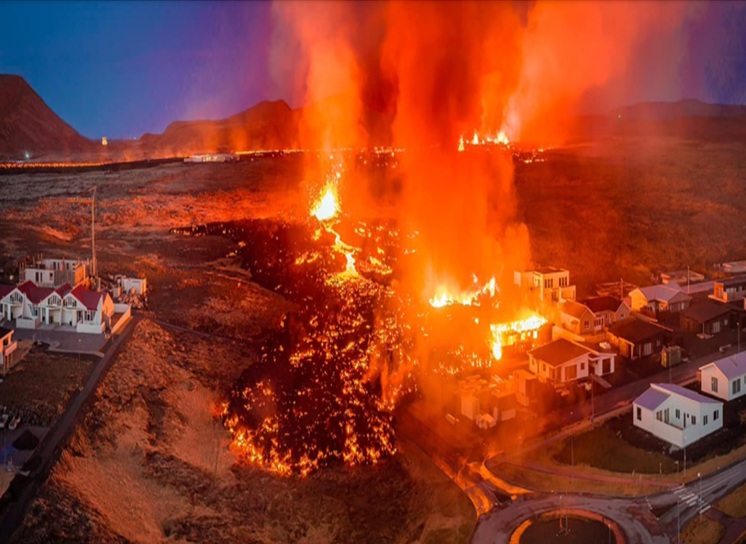
                        10a - Reykjanes Eruption
                                    

                    </h5>
                                            <p class="text-body mb-0 mb-lg-3"> This page introduces the Reykjanes Eruption of 2021 to 2025. Students examine the causes of the eruption, its impacts on the location and community and how Icelandic authorities attempt to manage it....</p>
                                        <div class="clearfix">
                        <span class="text-muted fs-sm float-end">
                            20 May 2026
                        </span>
                    </div>
                </div>
            </div>
        </div>
    </a>
    <a href="/geography/page/62253/9-honduras-" class="card text-body rounded-0 text-decoration-none" data-turbo-frame="_top" data-turbo="false">
        <div class="card-body">
            <div class="row align-items-start gx-3">
                <div class="col-4 col-lg-3">
                    <div class="rounded overflow-hidden hover-zoom hover-overlay">
        <img
            class="d-block w-100 height-150 object-cover"
            src="https://teacher-sites-storage.inthinking.net/igcse/geography/textbook-images/development-new/_128386317_bbcmp_honduras.png"
            alt="9. Honduras "
        >
    </div>

                </div>
                <div class="col-8 col-lg-9">
                                            <h6 class="text-accent">
                            e-book (incoming) 
                        </h6>
                                        <h5 class="fw-semibold text-primary mb-2 d-flex gap-1 align-items-end">
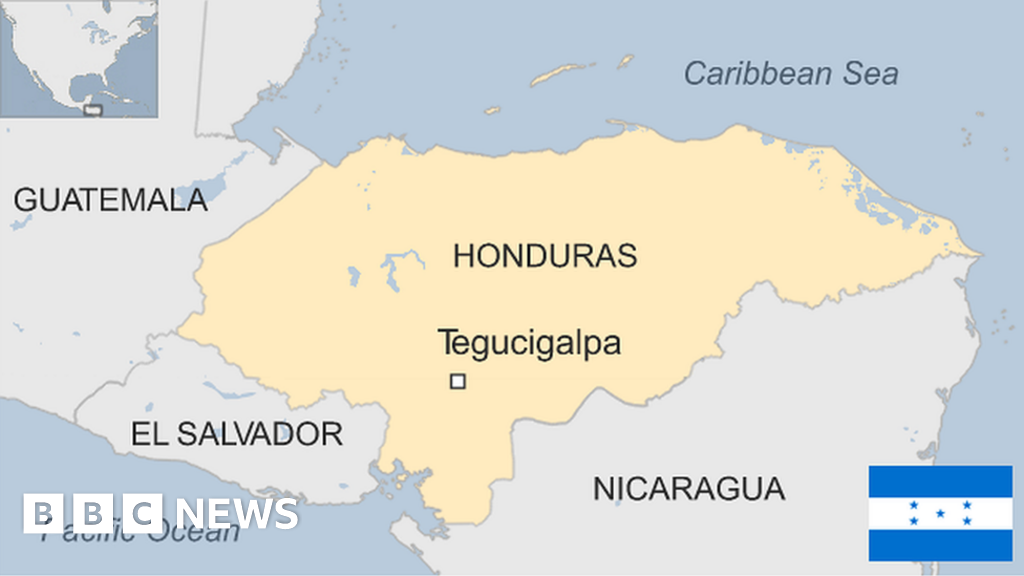
                        9. Honduras 
                                    

                    </h5>
                                            <p class="text-body mb-0 mb-lg-3"> This page develops the Honduras case study  Syllabus 8.3.4 One detailed specific example of a named country classified as an MIC or LIC, to include:   Classifying Development Honduras is a Central American...</p>
                                        <div class="clearfix">
                        <span class="text-muted fs-sm float-end">
                            15 May 2026
                        </span>
                    </div>
                </div>
            </div>
        </div>
    </a>
    <a href="/geography/page/58343/2-the-natural-causes-of-climate-change" class="card text-body rounded-0 text-decoration-none" data-turbo-frame="_top" data-turbo="false">
        <div class="card-body">
            <div class="row align-items-start gx-3">
                <div class="col-4 col-lg-3">
                    <div class="rounded overflow-hidden hover-zoom hover-overlay">
        <img
            class="d-block w-100 height-150 object-cover"
            src="https://teacher-sites-storage.inthinking.net/igcse/geography/textbook-images/climate-change/orbit-01%2Ch_400%2Cq_80%2Cw_640.png"
            alt="2.  The Natural Causes of Climate Change"
        >
    </div>

                </div>
                <div class="col-8 col-lg-9">
                                            <h6 class="text-accent">
                            New Syllabus
                        </h6>
                                        <h5 class="fw-semibold text-primary mb-2 d-flex gap-1 align-items-end">
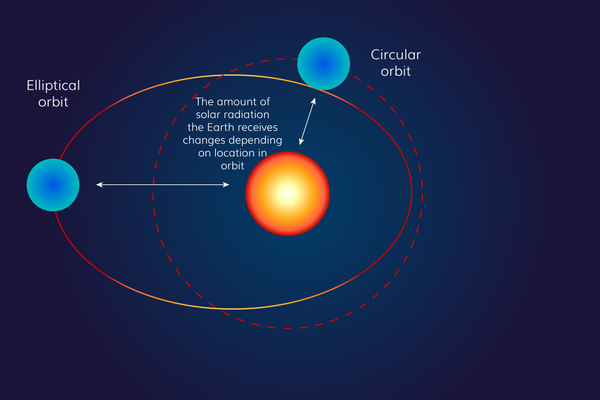
                        2.  The Natural Causes of Climate Change
                                    

                    </h5>
                                            <p class="text-body mb-0 mb-lg-3"> This page covers the natural causes of climate change, including the carbon cycle, the greenhouse effect, orbital changes, sunspots and volcanic activity  Syllabus 5.1.2 Factors influencing natural climate...</p>
                                        <div class="clearfix">
                        <span class="text-muted fs-sm float-end">
                            24 April 2026
                        </span>
                    </div>
                </div>
            </div>
        </div>
    </a>
    <a href="/geography/page/67283/10a-reykjanes-eruption-" class="card text-body rounded-0 text-decoration-none" data-turbo-frame="_top" data-turbo="false">
        <div class="card-body">
            <div class="row align-items-start gx-3">
                <div class="col-4 col-lg-3">
                    <div class="rounded overflow-hidden hover-zoom hover-overlay">
        <img
            class="d-block w-100 height-150 object-cover"
            src="https://teacher-sites-storage.inthinking.net/igcse/geography/textbook-images/earthquakes/tectonics/untitled.jpg"
            alt="10a - Reykjanes Eruption "
        >
    </div>

                </div>
                <div class="col-8 col-lg-9">
                                            <h6 class="text-accent">
                            e-book (incoming) 
                        </h6>
                                        <h5 class="fw-semibold text-primary mb-2 d-flex gap-1 align-items-end">
                        10a - Reykjanes Eruption 
                                    

                    </h5>
                                            <p class="text-body mb-0 mb-lg-3"> This page is a revision resource for the Reykjanes Eruption of 2021 to 2025. It covers the causes of the eruptions, their impacts on the location and community and how Icelandic authorities attempt to...</p>
                                        <div class="clearfix">
                        <span class="text-muted fs-sm float-end">
                            12 April 2026
                        </span>
                    </div>
                </div>
            </div>
        </div>
    </a>
    <a href="/geography/page/60578/4-tectonic-hazards-" class="card text-body rounded-0 text-decoration-none" data-turbo-frame="_top" data-turbo="false">
        <div class="card-body">
            <div class="row align-items-start gx-3">
                <div class="col-4 col-lg-3">
                    <div class="rounded overflow-hidden hover-zoom hover-overlay">
        <img
            class="d-block w-100 height-150 object-cover"
            src="https://teacher-sites-storage.inthinking.net/igcse/geography/textbook-images/earthquakes/6732b7a55ea25b75a3b721fb5592a731.gif"
            alt="4. Tectonic Hazards "
        >
    </div>

                </div>
                <div class="col-8 col-lg-9">
                                            <h6 class="text-accent">
                            e-book (incoming) 
                        </h6>
                                        <h5 class="fw-semibold text-primary mb-2 d-flex gap-1 align-items-end">
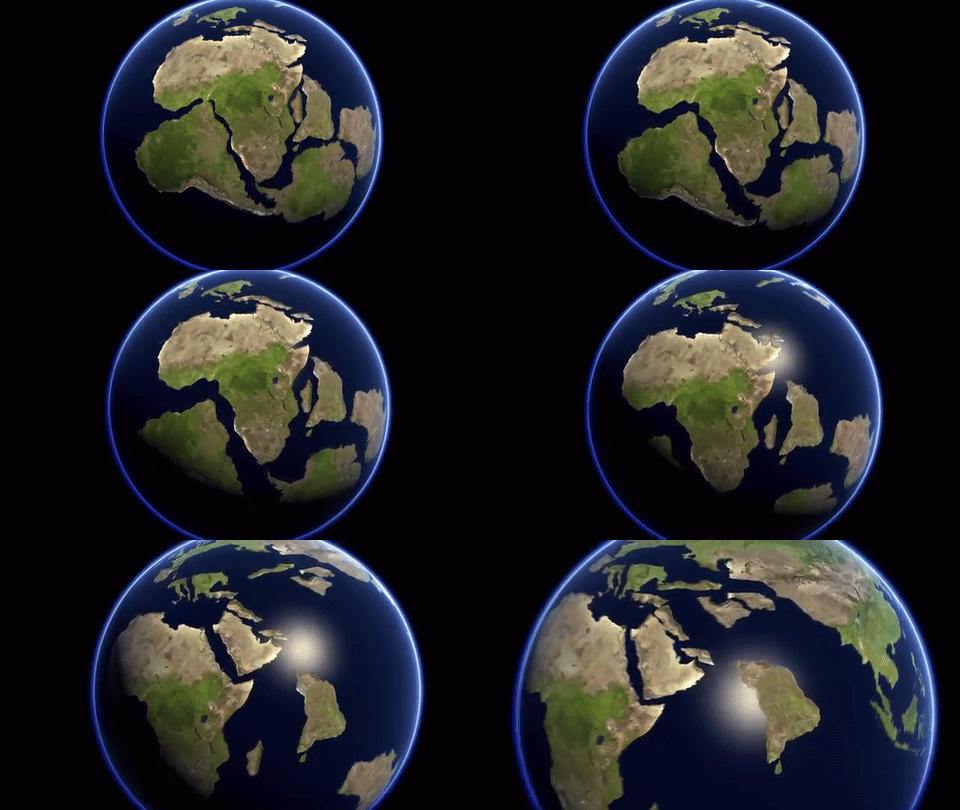
                        4. Tectonic Hazards 
                                    

                    </h5>
                                            <p class="text-body mb-0 mb-lg-3"> This page links you to revision pages on tectonic hazards This page presents both divergent and convergent plate boundaries. It develops the structure and processes of these boundaries and explains how...</p>
                                        <div class="clearfix">
                        <span class="text-muted fs-sm float-end">
                            12 April 2026
                        </span>
                    </div>
                </div>
            </div>
        </div>
    </a>
    <a href="/geography/page/59450/exam-bank-paper-1-" class="card text-body rounded-0 text-decoration-none" data-turbo-frame="_top" data-turbo="false">
        <div class="card-body">
            <div class="row align-items-start gx-3">
                <div class="col-4 col-lg-3">
                    <div class="rounded overflow-hidden hover-zoom hover-overlay">
        <img
            class="d-block w-100 height-150 object-cover"
            src="https://teacher-sites-storage.inthinking.net/igcse/geography/assessment/table-a-mark-scheme.jpg"
            alt="Exam Bank - Paper 1 "
        >
    </div>

                </div>
                <div class="col-8 col-lg-9">
                                            <h6 class="text-accent">
                            New Syllabus
                        </h6>
                                        <h5 class="fw-semibold text-primary mb-2 d-flex gap-1 align-items-end">
                        Exam Bank - Paper 1 
                                    

                    </h5>
                                            <p class="text-body mb-0 mb-lg-3"> / This page provides easy-to-print exam papers for Paper 1, written for the new assessment format. There are fifteen unit papers and mark schemes; three papers for each theme written in both Section A...</p>
                                        <div class="clearfix">
                        <span class="text-muted fs-sm float-end">
                            25 March 2026
                        </span>
                    </div>
                </div>
            </div>
        </div>
    </a>
    <a href="/geography/page/57687/4-tectonic-hazards" class="card text-body rounded-0 text-decoration-none" data-turbo-frame="_top" data-turbo="false">
        <div class="card-body">
            <div class="row align-items-start gx-3">
                <div class="col-4 col-lg-3">
                    <div class="rounded overflow-hidden hover-zoom hover-overlay">
        <img
            class="d-block w-100 height-150 object-cover"
            src="https://teacher-sites-storage.inthinking.net/igcse/geography/textbook-images/earthquakes/6732b7a55ea25b75a3b721fb5592a731.gif"
            alt="4. Tectonic Hazards"
        >
    </div>

                </div>
                <div class="col-8 col-lg-9">
                                            <h6 class="text-accent">
                            New Syllabus
                        </h6>
                                        <h5 class="fw-semibold text-primary mb-2 d-flex gap-1 align-items-end">
                        4. Tectonic Hazards
                                    

                    </h5>
                                            <p class="text-body mb-0 mb-lg-3"> This page links you to lessons on tectonic hazards This page develops the patterns and distribution of earthquakes and volcanoes at a range of scales based on maps at the global, regional and national...</p>
                                        <div class="clearfix">
                        <span class="text-muted fs-sm float-end">
                            18 March 2026
                        </span>
                    </div>
                </div>
            </div>
        </div>
    </a>
    <a href="/geography/page/60713/2-constructive-and-destructive-plate-boundaries" class="card text-body rounded-0 text-decoration-none" data-turbo-frame="_top" data-turbo="false">
        <div class="card-body">
            <div class="row align-items-start gx-3">
                <div class="col-4 col-lg-3">
                    <div class="rounded overflow-hidden hover-zoom hover-overlay">
        <img
            class="d-block w-100 height-150 object-cover"
            src="https://teacher-sites-storage.inthinking.net/igcse/geography/textbook-images/tanya-grypachevskaya-80x3quljdn4-unsplash.jpg"
            alt="2. Constructive and Destructive Plate Boundaries"
        >
    </div>

                </div>
                <div class="col-8 col-lg-9">
                                            <h6 class="text-accent">
                            e-book (incoming) 
                        </h6>
                                        <h5 class="fw-semibold text-primary mb-2 d-flex gap-1 align-items-end">
                        2. Constructive and Destructive Plate Boundaries
                                    

                    </h5>
                                            <p class="text-body mb-0 mb-lg-3"> This page presents both constructive/divergent and destructive/convergent plate boundaries. It develops the structure and processes of these boundaries and explains how these processes lead to volcanic...</p>
                                        <div class="clearfix">
                        <span class="text-muted fs-sm float-end">
                            07 March 2026
                        </span>
                    </div>
                </div>
            </div>
        </div>
    </a>
    <a href="/geography/page/58239/2-constructive-and-destructive-plate-boundaries" class="card text-body rounded-0 text-decoration-none" data-turbo-frame="_top" data-turbo="false">
        <div class="card-body">
            <div class="row align-items-start gx-3">
                <div class="col-4 col-lg-3">
                    <div class="rounded overflow-hidden hover-zoom hover-overlay">
        <img
            class="d-block w-100 height-150 object-cover"
            src="https://teacher-sites-storage.inthinking.net/igcse/geography/textbook-images/tanya-grypachevskaya-80x3quljdn4-unsplash.jpg"
            alt="2. Constructive and Destructive Plate Boundaries"
        >
    </div>

                </div>
                <div class="col-8 col-lg-9">
                                            <h6 class="text-accent">
                            New Syllabus
                        </h6>
                                        <h5 class="fw-semibold text-primary mb-2 d-flex gap-1 align-items-end">
                        2. Constructive and Destructive Plate Boundaries
                                    

                    </h5>
                                            <p class="text-body mb-0 mb-lg-3"> This page presents both Constructive and Destructive plate boundaries. It develops the features and processes of these boundaries and explains how these processes lead to volcanic eruptions and earthquakes...</p>
                                        <div class="clearfix">
                        <span class="text-muted fs-sm float-end">
                            07 March 2026
                        </span>
                    </div>
                </div>
            </div>
        </div>
    </a>


    </template>
</turbo-stream>

    <turbo-stream action="update" target="load-more">
        <template>
            <div class="d-flex justify-content-center my-3">
    <a href="/geography/latest-updates?page=4" class="btn btn-secondary loader">
        <i class="fa-regular fa-circle-plus"></i>
        Load more
    </a>
    <div class="spinner-border load-more text-primary" role="status">
        <span class="visually-hidden">Loading...</span>
    </div>
</div>

        </template>
    </turbo-stream>