2.9.3 Causes of market failure

Public goods are a source of market failure because due to the lack of a profit motive despite them having external benefits (positive externalities). Firms cannot charge those who are unwilling and/or unwilling to pay (due to the non-excludability of public goods). Furthermore, once provided, the product (such as street lighting or flood control systems) is made available to everyone (due to the non-rivalrous nature of public goods).
Essentially, in the private sector of an economy, profit-seeking firms would not be willing to supply public goods due to the free-rider problem - those who do not pay are still able to benefit from the provision of the product once it is provided. Hence, in a market economic system there is an under-provision of production and under-consumption of public goods despite the positive externalities of public goods.
Economics makes the assumption that private sector firms are profit-seeking or profit-maximising firms. Hence, there are three main reasons why private sector firms are unlikely to provide public goods (and certainly not in sufficient quantities from society's point of view):
- High set-up costs
- Ongoing (maintenance) costs
- Limited, if any, revenue (due to the free-rider problem).

Private sector firms have little, if any, incentive to supply and maintain lighthouses
Top tip 1!
Note that some goods have an element of non-excludability or non-rivalry. For example, public benches in a public park are rivalrous (in that if someone is using the bench it can prevent others from doing so) but non-excluable (in that anyone can use these benches even if they have not paid any taxes for the provision of public benches).
Such products are known as quasi-public goods, i.e., goods that have an element of non-excludability or non-rivalry. Other examples of quasi-public goods include:
- Public roads
- Public parks
- Public beaches
- Public libraries
- Pedestrian bridges
- Open access Wi-Fi in shopping malls
- Communal gardens and open spaces
- Parking spaces in public free car parks
These are accessible to everyone but may be rivalrous in consumption or partially excludable.
Merit goods are a source of market failure because of the under-provision and under-consumption despite the external benefits (positive externalities). Merit goods are important for improving standards of living in the economy, although production and consumption are likely to be below the socially optimal levels. Without government intervention, many individuals and households are unable to afford sufficient levels of socially desirable goods and services such as education, healthcare, and housing.
For instance, people underestimate the benefits of having a vaccination against viruses such as COVID-19 or tuberculosis. Those who have had vaccinations benefit personally from being protected against diseases. However, there are also external benefits to the rest of society as it reduces infectious diseases being spread in the rest of society.
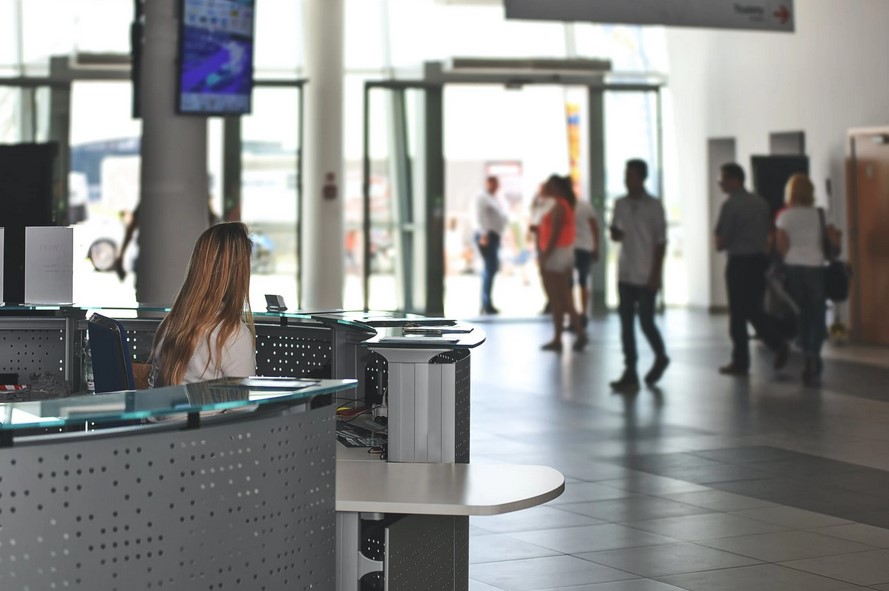
The provision of educational services yield greater social benefits than private benefits of consumption
Paper 1 - Worked example (1)
Which of the following is not a characteristic of a merit good?
A. Over-provided
B. Provides social benefits
C. Under-consumed
D. Under-provided
The correct answer is Option A, i.e., over-provided
This is because merit goods, such as education and healthcare services, would be under-provided and under-consumed if they were provided only by the private sector. Merit goods provide social benefits as they
provide external benefits to others in society.
Discussion
Have a discussion in small groups about the social and economic benefits of education. How might society benefit from greater investment in education?
As a starting point, the Organisation for Economic Cooperation and Development (OECD) points out that studies consistently show that educated individuals live longer, participate more actively in the communities where they live, commit fewer crimes, and rely less on government assistance (such as social welfare benefits).

Gambling services (such as casinos) are an example of demerit goods
Demerit goods are a source of market failure because the social costs of production and consumption exceed the private costs. For example, the private costs of smoking include the costs incurred by individuals for purchasing the product and the negative impacts of tobacco consumption on the individual such as the higher risks of lung cancer. The negative externalities of consumption include passive smoking (second-hand smoking) and the pressures imposed on other members of society, such as pressures placed on healthcare services due to the high risks associated with smoking.
In a market economic system, without government intervention or regulation, there is over-production and over-consumption of demerit goods, such as:
- Drinking (excessive alcohol consumption) – There are private costs including health risks to drinkers plus costs to society as a whole, such as productivity loss in the workplace and the costs associated with greater pressures on public healthcare services.
- Recreational drugs – There are private purchase and health costs to users of recreational drugs. In addition, people often underestimate the risks of getting addicted. Costs to society include expenses associated with drug-related crimes, premature deaths, and reduced workdays.
- Sugary drinks and snacks – The overconsumption of these demerit goods in a market economic system causes private costs such as tooth decay, diabetes, and obesity. The external costs include the stress placed on family and friends as well as added pressures on the healthcare industry.
Case Study 1 - The economic costs of cigarette waste
According to the British Medical Journal, cigarette butts and packaging cause $26 billion per year in environmental damage, including marine ecosystem damage. Cigarette filters are the most common litter item globally and are made of single-use plastic. Tobacco-related plastic waste has been overlooked in global single-use plastic policies.
The economics costs of cigarette waste include clean-up, waste management, and environmental degradation. However, the costs are likely to be underestimated because chemical toxicity is not fully included. Plastic waste into the environment, such as the oceans, is higher in low- and middle-income countries. These environmental costs are cumulative yet preventable.
Some governments (including France, UK, the EU, and the USA) are considering shifting clean-up costs to tobacco companies based on the polluter-pays principle.
Source: Adapted from British Medical Journal
Top tip 2!
One way to remember the difference between merit and demerit goods is the misconception of costs and benefits of consumption, and hence production levels.
- The consumption of demerit goods (such as tobacco or alcohol) is associated with people underestimating the true economic costs of consumption.
- The consumption of merit goods (such as education or vaccinations) is associated with people underestimating the true economic benefits of consumption.
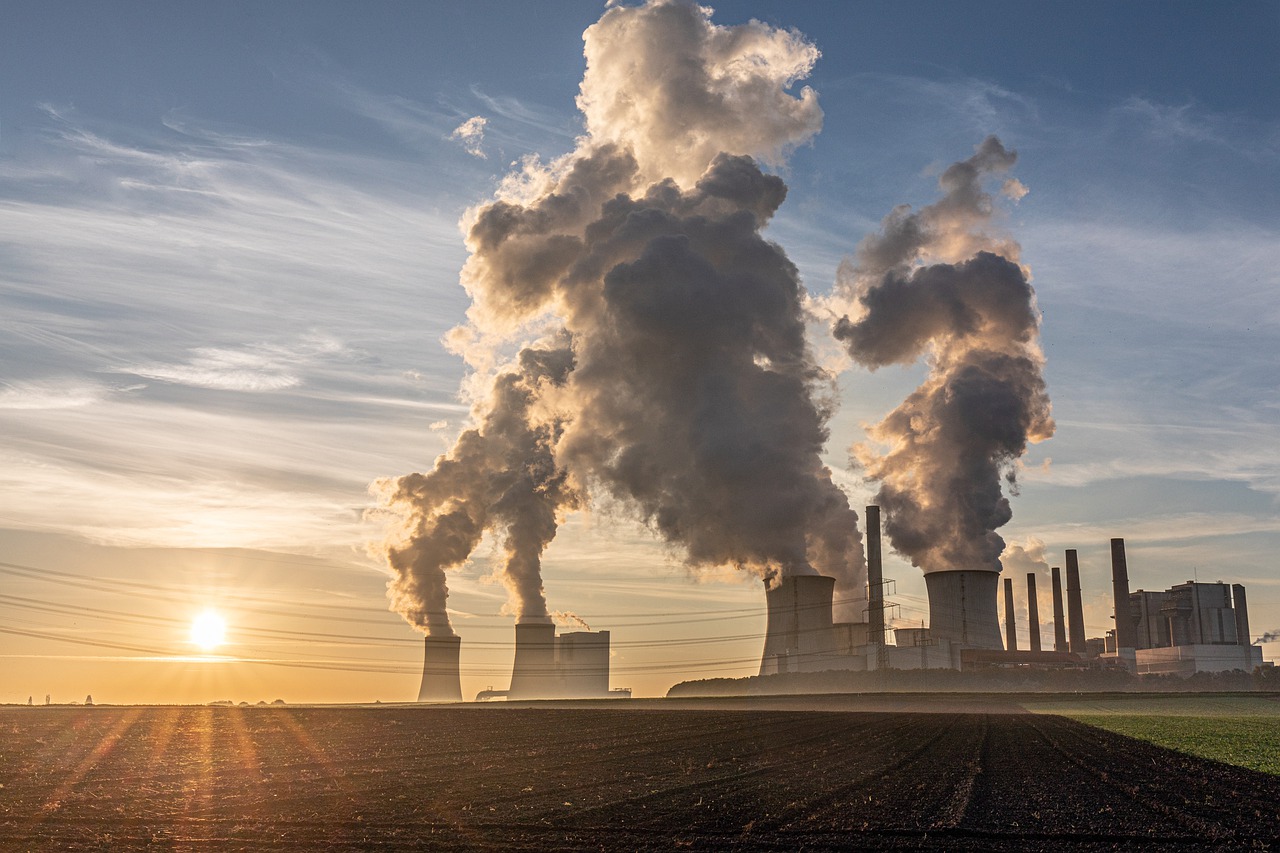
Pollution is a common example of external costs or negative externalities
External costs are a source of market failure as these negative externalities impose additional costs of economic activity on third parties that are not directly involved in the buying or selling of the good or service in question. Examples of external costs (or negative externalities) include:
- Air and noise pollution from commercial aircraft.
- Delays and slower journey times for other drivers due to heavily congestion roads.
- Drink driving which increases the risks and cases of traffic accidents.
- Environmental degradation and depletion of scarce resources due to construction work, such as the building of new homes, roads, and other infrastructural projects.
- Loud music being planned late at night from noisy neighbours or a nearby nightclub.
- Oil spillages on the roads or in the seas.
- Radiation caused by an accident at a nearby power plant.
- Smoking in enclosed areas which causes passive smoking (second hand smoking), thereby raising the health risks to other people in the vicinity.
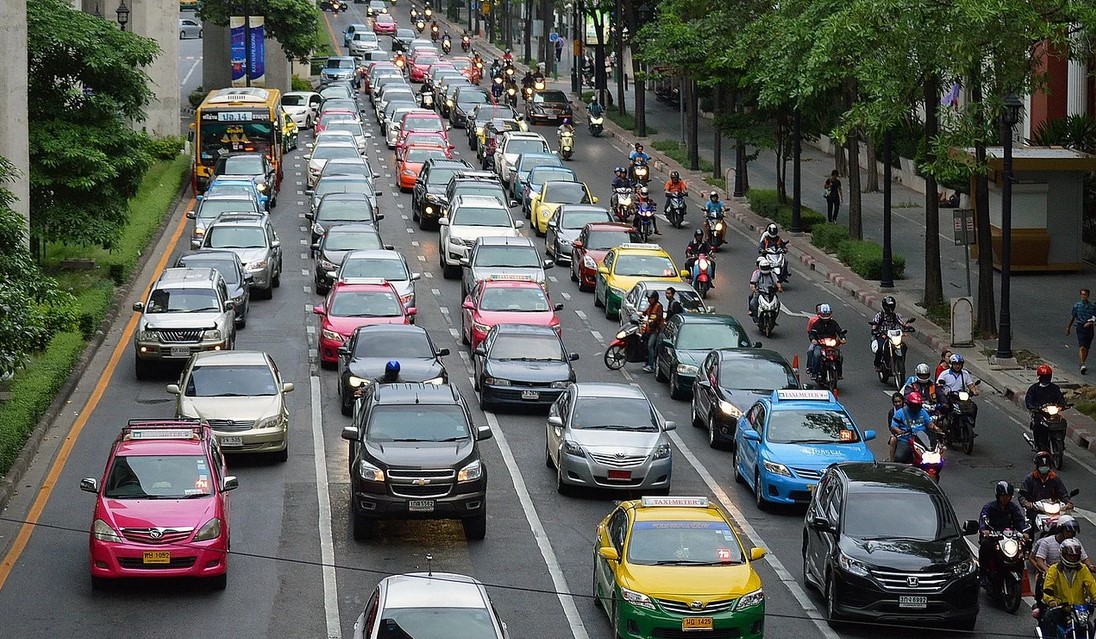
Traffic congestion causes negative externalities to society
Traffic congestion causes excess fuel consumption for drivers. However, it also creates external costs such as delays, noise pollution, air pollution, and safety concerns for the local community. Take the example of Istanbul, one of the most congested cities in Europe (see video below). In the absence of a more comprehensive and efficient public road system, the number of private cars, taxis, coaches, and other vehicles will increase in the city beyond a sustainable level.
As you watch the video, consider how government intervention might help to solve such market failures. You do not have to watch the entire video to get an idea of the economic problems caused by traffic congestion!
Case Study 2 - The economic costs of ChatGPT

Using artificial intelligence (AI) platforms requires vast amounts of energy, leading to significant opportunity costs. For instance, the resources used for AI development could be allocated to other pressing needs, such as healthcare or education. In addition, the environmental impact of data servers, including high energy consumption and carbon emissions, exemplifies the negative externalities of AI-generated content:
- Generating a 100-word email with ChatGPT consumes over 519 milliliters of water - equivalent to a small Evian bottle of water. This water is used to cool the servers that power AI content generation, further highlighting the environmental impacts of AI technologies.
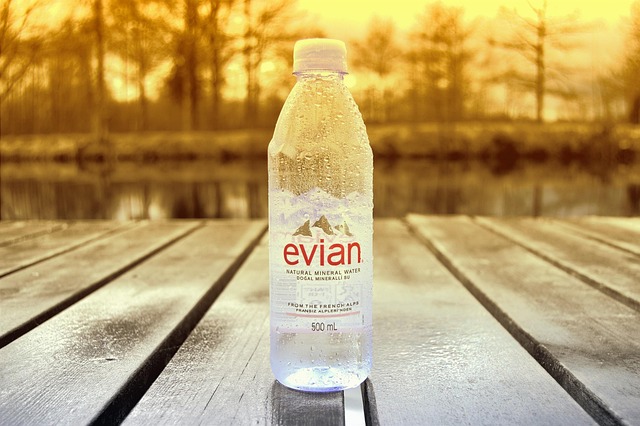
It takes the equivalent of an Evian 500ml bottles of water to generate a 100-word email using ChatGPT
- Generating a 100-word email consumes 0.14 kilowatt-hours (kWh) of electricity - enough to power 14 LED light bulbs for an hour.
- ChatGPT consumes nearly one million bathtubs of water daily, primarily for cooling the servers that power AI operations.
- The daily electricity consumption of ChatGPT prompts is equivalent to powering the Empire State Building for 1.5 years!
- ChatGPT's annual electricity consumption surpasses that of each of the 117 lowest-consumption countries!
- Data centres, including those operated by Google, consume up to 550 000 gallons of water daily to cool servers and maintain optimal operating temperatures. To put this into context, that is the equivalent of approximately 4 163 951 Evian 500ml bottles of water to cool data centres, every day!
- The Guardian reports that by 2050, England could face a daily water shortfall of five billion litres, even without accounting for the growing demands of data centres.
- AI companies use the same fresh water for cooling servers that is essential for drinking, cooking, washing, and firefighting. With only 0.5% of the Earth's water supply available as fresh water, this highlights the critical need for sustainable water management in the AI industry.
These concerns highlight the need for more sustainable and efficient AI solutions.
Source: British Engery UK
Activity 1 - External costs of data centres
Read this BBC News article about why environmental campaigners are fighting against data centres. Data centres are large facilities that house a vast number of computers and servers used for storing, processing, and managing large volumes of data. Data centres have a crucial role in the functioning of the internet and modern digital life, supporting everything from social media and e-commerce to cloud computing and enterprise applications.
Identify and explain the various external costs of data centres.
Possible responses could include an explanation of:
- Environmental costs - Data centres require significant electricity, leading to increased demand on the local grid, which may rely on fossil fuels. Some data centres consume large amounts of water for cooling, exacerbating water scarcity issues, especially in regions experiencing drought.
- Impact on air quality - Similarly, the use of back-up diesel generators can degrade air quality, posing health risks to local communities.
- Land use and conservation issues - The expansion of data centres often involves building new electricity cables over parks and conservation lands, threatening local ecosystems. This can disrupt local neighbourhoods, impacting residents' quality of life through increased traffic and noise pollution.
- Climate change - The reliance on non-renewable energy sources for powering data centres contributes to greenhouse gas emissions, undermining climate action efforts.
Paper 1 - Worked example (2)
Why are electric vehicles (EVs) not necessarily considered goods with external benefits?
A. They are more expensive than combustion engine cars
B. They cause more congestion than petrol-fuelled cars
C. They do not directly create positive spillover effects for third parties
D. They do not reduce pollution compared to gasoline cars
Paper 1 - Worked example (3)
Which of the following is an external cost of widespread smartphone usage?
A. A pedestrian causes an accident while texting and crossing a road
B. A person pays too much for a phone due to misinformation
C. A student uses a smartphone for research in the classroom
D. A user enjoys entertainment on their smartphone device
External benefits are a source of market failure because economic activities in the private sector or market economic system cater only for those who are willing and able to pay for private benefit and consumption of goods and services. There is no incentive for profit-maximising firms to supply anything to free-riders.
However, the provision of merit goods and public goods (which exert positive externalities) are under-provided and under-consumed in the market economic system. For example, private individuals often underestimate the value (benefits) of education, and many are unable to afford the cost of university education despite the private and external benefits (see Box 1).
Box 1 - Examples of benefits of a university education
- Increased access to job opportunities
- Increased earning potential
- Economic and financial stability
- Personal growth
- Improved self-esteem
- Higher job satisfaction
- Higher labour productivity
- Higher tax contributions (tax revenues)
- Lower unemployment
- Improved health and longevity
- Higher standard of living
- Personal and professional development
Activity 2 - The smartphones debate

With a partner in class, discuss the private costs/benefits and external costs/benefits of smartphones.
From your discussions, decide whether you feel the benefits of schools than ban the use of smartphones outweigh the costs of doing so.
Smartphones can create both external costs and external benefits. They create social benefits because a wealth of information and services are available as long as the user (such as a student) has access to the Internet. The benefits can be educational, a source of information, a navigational device, and much more.
On the other hand, smartphones can also create an external cost if the user becomes addicted to watching videos, playing games, or viewing social media on their phone and therefore spends too much time on the device at the expense of other activities - such as work in the place of employment or learning at school. This may lead to poor performance at school or work. The user may be sleep deprived or lack physical activity, which may cause health problems. Some smartphone users may walk along the street using a phone, or use it in their car, and this may cause accidents and be dangerous to other people (third parties).
Activity 3 - The debate about electric cars
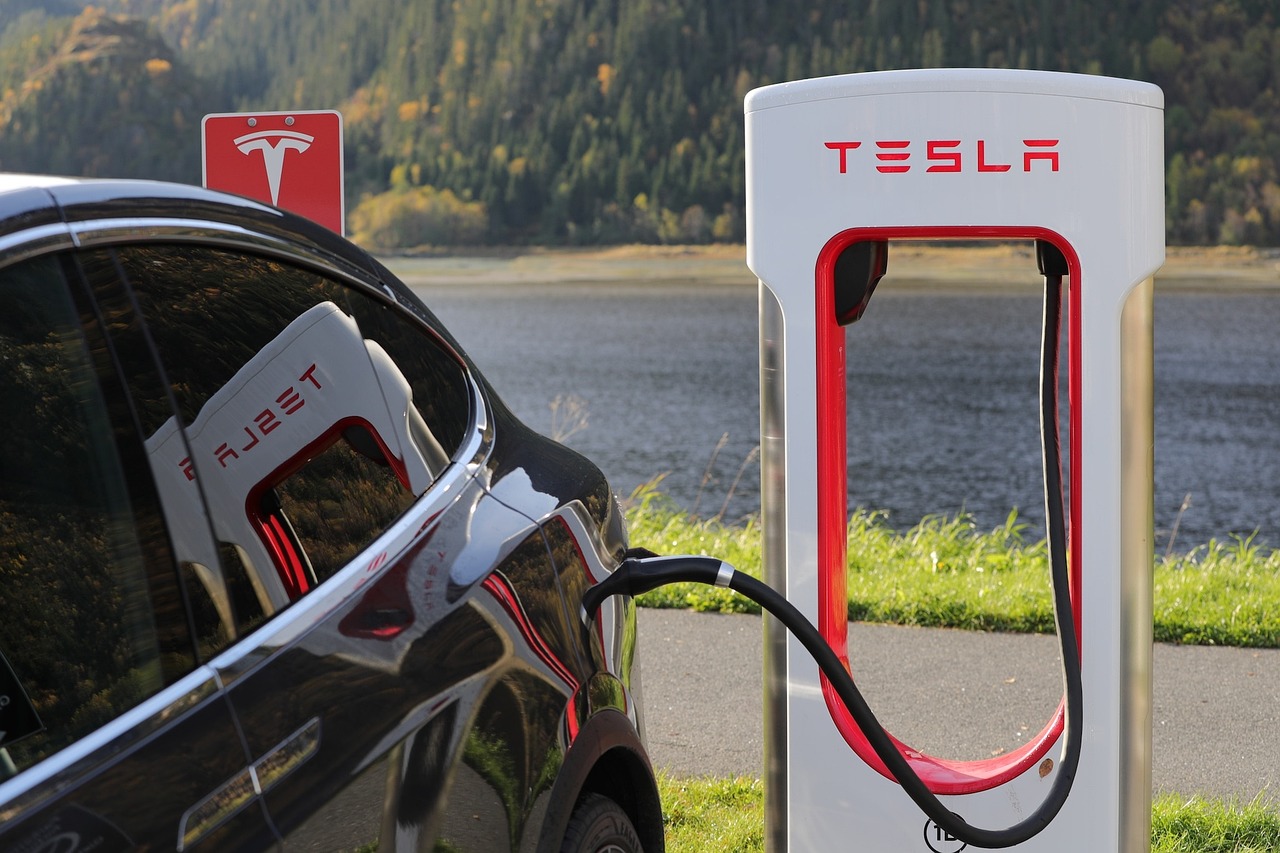
In small groups of 2 - 3 people, discuss whether electric vehicles (EVs) are an example of merit goods. In your discussions, consider the concepts of merit goods, demerit goods, external costs, and external benefits. Also consider the long term implications of economies switching to electric vehicles.
Use real-world examples and data to support your arguments, and be prepared to share your findings with the rest of the class.
Lithium-ion batteries are a popular power source for clean technologies like electric vehicles (EVs). Although these batteries are needed to replace gas-powered cars that emit CO2 (carbon dioxide) and other greenhouse gases, this does come at a cost as the manufacturing process of the batteries and their components create environmental and social concerns.
EVs are commonly mistaken as examples of merit goods, but this suggests limited understanding of the meaning or definition of such goods. Conventional vehicles that rely on gasoline or diesel and EVs both create negative externalities, such as traffic congestion. However, the latter is less of an issue that the former, which is why many governments have provided subsidies to encourage people to switch to EVs.
However, drivers switching from the use of combustion engine to EVs does not mean they create positive externalities; it simply means a (significant) reduction in the negative externalities associated with driving. The use of a car itself, irrespective of whether it is an internal-combustion vehicle or electric vehicle, does not have positive spillover effects.
Possible reasons why the use of EVs is not an example of merit goods include:
- There are significant environment costs associated with the production of EVs. Mining minerals for EV batteries, like lithium in Chile and Argentina, causes environmental damage, water depletion, and pollution, harming local communities and ecosystems.
- The environmental benefits of EVs diminish in countries or regions that are reliant on fossil fuels, as coal-based electricity (use to charge EVs) can result in emissions comparable to gasoline vehicles.
- Manufacturing EVs, especially the batteries, is energy-intensive and can emit more greenhouse gases than conventional cars. For example, according to Climate Portal, for every tonne of mined lithium, 15 tonnes of CO2 are emitted into the air. To put this into context, approximately 1 ton of CO2 is emitted from a typical gas-powered car in about 2500 miles of driving.
- While high-income countries continue to embrace EVs, the Democratic Republic of Congo, which supplies about two-thirds of the world's cobalt (essential for EV batteries), suffers from severe poverty, child labour, and dangerous working conditions. UNICEF estimates that 40,000 children work in mining across the south of the DRC where cobalt is found.
- Economists and policy makers are still unsure of the longer term costs and benefits of the switch to EVs. In particular, disposal and recycling of EV batteries are costly and challenging, with hazardous materials potentially causing contamination. Presently, with insufficient infrastructure for EV waste management, this would lead to significant environmental and health risks.
Essentially, the social, economic, and environmental costs of resource extraction use in the production of EVs are not usually reflected in the market price of EVs. This leads to an underestimation of their true costs to societies as a whole.
Paper 1 - Worked example (4)
Why might education lead to external benefits for society?
A. It discourages or postpones people from entering the labour force
B. It increases government spending on social welfare programmes
C. It increases labour productivity and tax revenues
D. It leads to higher unemployment among graduates
A monopoly refers to a single firm dominating the market for a particular good or service. Any firm with significant market share can be said to have some degree of monopoly power, such as Microsoft, Google, and YKK (zips). Market share represents the proportion (or share) that a product or firm has of the total market size. Market share is a key measure of business performance and the pursuit of higher market share is often set as a business objective.
The abuse of monopoly power is a source of market failure because in a market economic system, being a monopoly enables the firm to charge higher prices (due to the absence of substitutes) or to limit quantity. This distorts the market as consumers pay higher prices and receive less quantity due to the market power of the monopolist.

Googling, Googled, and Google were all included in the Oxford English Dictionary in June 2006
In certain cases of abuse of monopoly power, the government may decide to break up the monopoly as the firm is too powerful and anti-competitive. This would require the monopolist to sell off parts of its business to create opportunities for competition in the market. This should lead to more competitive prices and lower profits for the former monopolist.

For each example given below, state whether it is a merit good, demerit good, or public good.
No. | Example | Type of good |
1. | Alcoholic beverages | Demerit good |
2. | Cigarettes and tobacco products | Demerit good |
3. | Education services | Merit good |
4. | Flood control systems | Public good |
5. | Food products with high salt content | Demerit good |
6. | Gambling | Demerit good |
7. | Healthcare services | Merit good |
8. | Junk food | Demerit good |
9. | Law and order | Public good |
10. | Lighthouses | Public good |
11. | National defence | Public good |
12. | Public fireworks display | Public good |
13. | Public libraries | Merit good |
14. | Public parks | Merit good |
15. | Recreational drugs | Demerit good |
16. | Roads and highways (motorways) | Public good |
17. | Social housing | Merit good |
18. | Sports and recreation facilities | Merit good |
19. | Street lighting | Public good |
20. | Vaccinations | Merit good |
Teachers can download a PDF version of this quiz to use with students in class. To download this, please click the link here.
Return to the Topic 2.9 - Market failure homepage
Return to the Topic 2 - The allocation of resources homepage
